

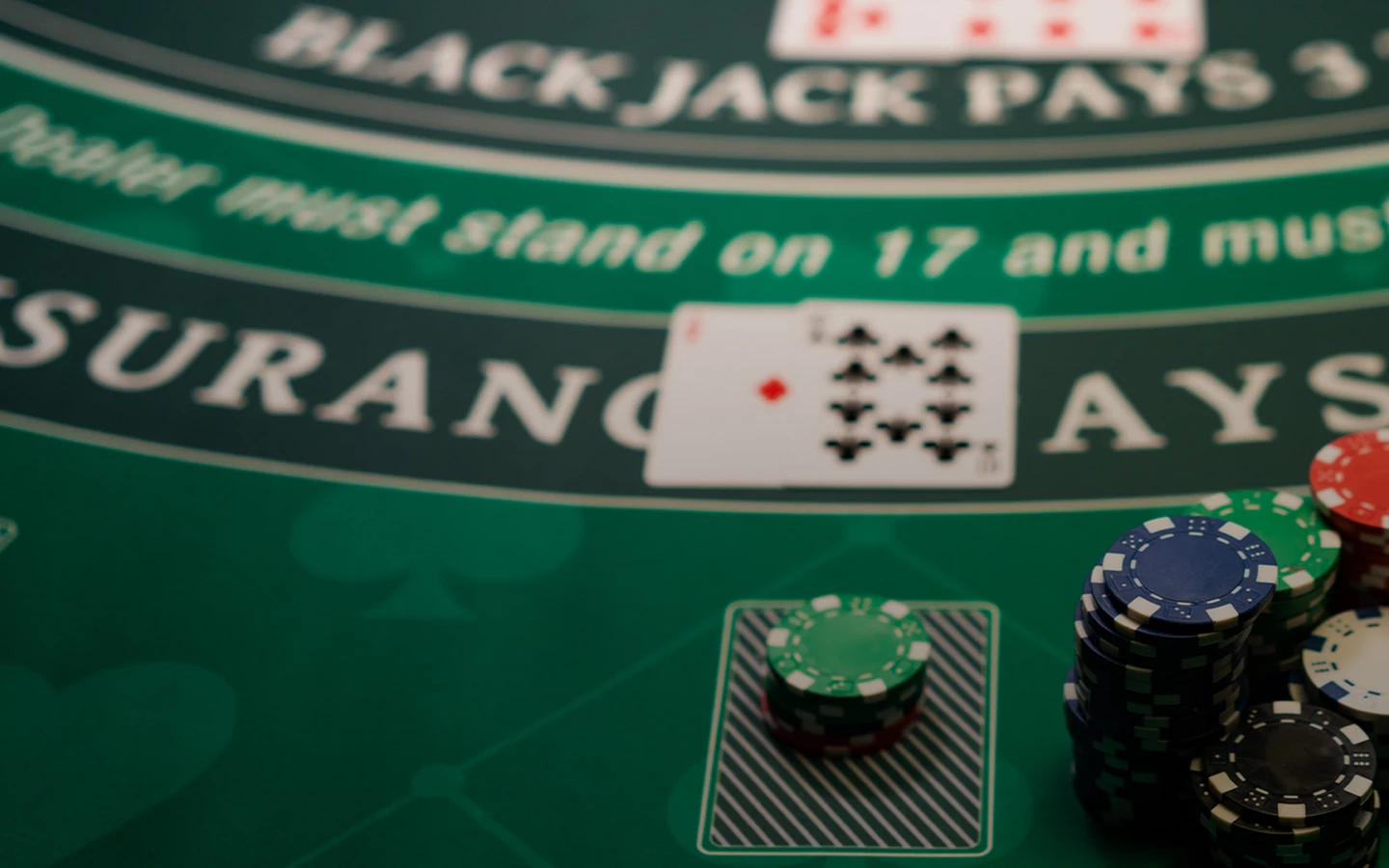
Blackjack, a card game that elegantly combines luck, strategy, and psychology, holds a unique place in the world of casino gaming. Its enduring appeal, sophisticated gameplay, and rich cultural heritage have made it a staple in casinos across the globe, captivating novices and seasoned players alike. This article explores blackjack’s fascinating origins, its historical evolution, and why it continues to be one of the most exciting and popular card games today.
The Roots of Blackjack: A Game with a Storied Past
The true origin of blackjack has long been debated and shrouded in mystery, with strong ties to various European gambling card games. Most historians trace its lineage back to the French game “Vingt-et-Un” (meaning “twenty-one”), which emerged in French casinos around the early 1700s. It is even mentioned in Miguel de Cervantes’s Don Quixote, dating its play to the late 16th or early 17th century.
Vingt-et-Un required players to reach a card value total of 21 without exceeding it — a direct precursor to modern blackjack. The game was widely enjoyed by French aristocrats and royalty, including King Louis XV and Napoleon Bonaparte. Interestingly, Napoleon is said to have prohibited card games for his soldiers out of concern that gambling would distract them, though he himself indulged in blackjack for relaxation and celebration.
The game migrated to North America as French colonists introduced Vingt-et-Un, particularly flourishing in New Orleans in the 1800s. This version laid the foundation for the rules familiar to us today, with adaptations occurring through American casino culture. The first legalized banked games of blackjack were played in New Orleans, marking the game’s official entry into the United States gambling scene.
The Name “Blackjack” and Popularity Boost
The term “Blackjack” originated in early 20th-century American casinos, which offered bonus payouts to attract players. These included a 10-to-1 payout if a player’s initial cards consisted of the Ace of Spades and a black Jack (either the Jack of Spades or Clubs), a hand that became colloquially known as “blackjack.” While casinos eventually removed this special payout, the name persisted and became the standard game title.
The introduction of this bonus helped popularize blackjack beyond a niche European pastime into a mainstream casino attraction. It rapidly became a favorite thanks to its perfect balance of luck and skill, allowing players to influence the outcome rather than relying purely on chance.
Blackjack in the Modern Casino Era
Blackjack truly blossomed as a casino staple with the legalization of gambling in Nevada in 1931. Casinos sought to optimize the game by refining rules, establishing house edges, and developing player strategies. The 20th century ushered in crucial advancements:
-
The establishment of basic strategy—a mathematically derived set of optimal moves in blackjack.
-
Popularization of card counting, a technique enabling skilled players to gain an advantage by tracking cards played. Edward O. Thorp’s landmark 1962 book Beat the Dealer brought card counting into widespread awareness.
-
Development of multi-deck shoes, complicating counting but increasing game variety.
These innovations highlighted blackjack’s appeal as a game combining analytical thought with suspense.
Why Blackjack Continues to Entice Millions
The appeal of blackjack stems from its unique blend of characteristics:
-
Simple Rules, Complex Strategy: Easy to learn yet challenging to master.
-
Player Influence: Skillful decisions can shift odds, creating intellectual engagement.
-
Pacing and Interaction: Fast rounds, player involvement, and dealer interaction enhance excitement.
-
Social Dynamism: Whether in live casinos or online platforms, blackjack cultivates community and competition.
-
Accessibility: Found in virtually every physical casino and now available in countless online versions.
The game’s straightforward goal—beat the dealer without busting—offers both tension and clarity, making it universally engaging.
The Rise of Online Blackjack
The digital age has propelled blackjack into a new era, offering convenience and accessibility. Online casinos host a vast array of blackjack variants, from classic single-deck games to cutting-edge live dealer formats streamed in real time.
Online platforms feature:
-
Interactive gameplay with real dealers facilitating authenticity.
-
Multiple variations catering to different player preferences.
-
Tutorial modes and practice games supporting new players in skill development.
-
Global tournaments and leaderboards amplifying the game’s social and competitive aspects.
This transition has broadened blackjack’s audience exponentially.
Getting Started with Blackjack: Tips for Beginners
For those new to blackjack, a few key principles can make the game both enjoyable and competitive:
-
Learn basic strategy charts to minimize the house edge.
-
Understand the dealer’s role and rules to anticipate potential outcomes.
-
Practice bankroll management to sustain play and avoid pitfalls.
-
Avoid insurance bets which often favor the house.
-
Stay patient and observant, focusing on making statistically sound decisions.
Mastery grows through experience, supported by studying the game’s underlying mathematics.
Conclusion
Blackjack is a timeless gem in the world of gambling—a game with historic elegance, strategic depth, and universal appeal. From its mysterious European origins and aristocratic patronage to its widespread adoption in American casinos and vibrant digital presence today, blackjack seamlessly combines chance and choice.